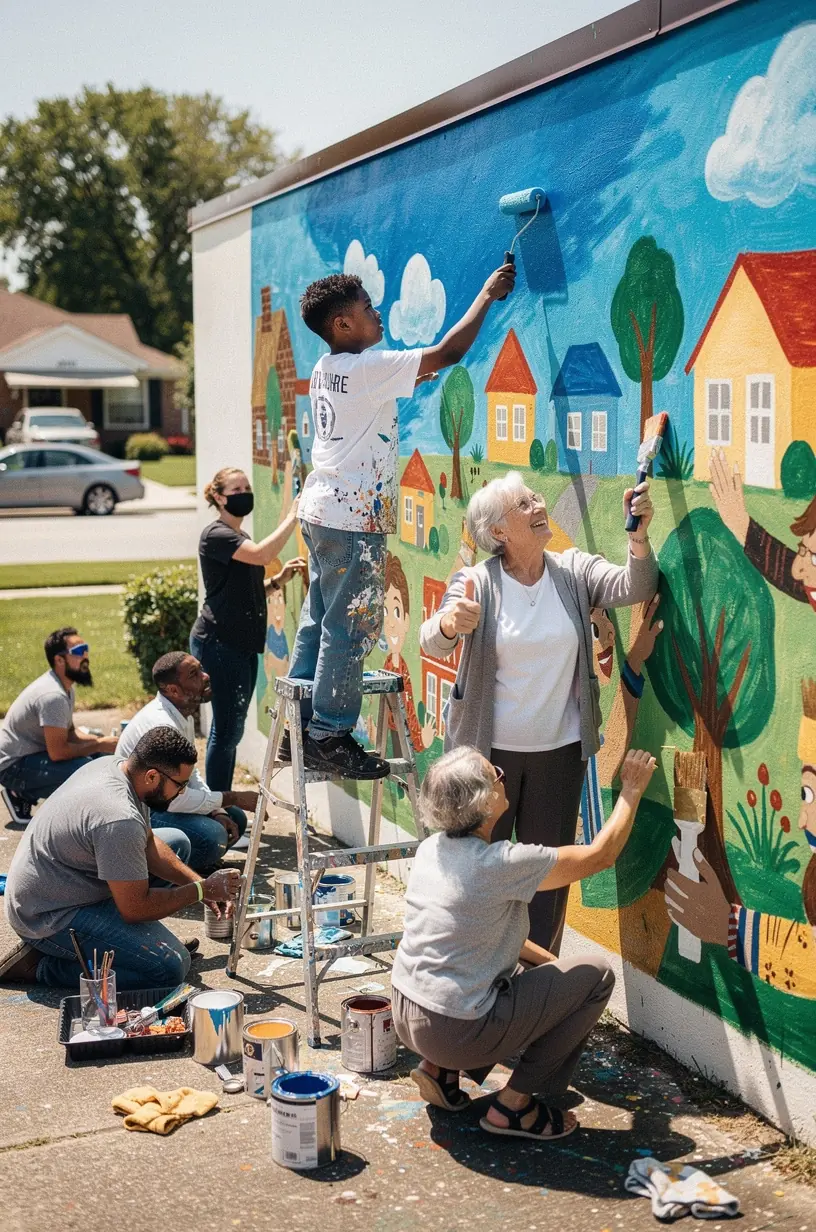
How to Start a Hobby-Based Club in Your Area
Starting a hobby-based club can be a rewarding way to engage with your community, share interests, and foster friendships. This article outlines practical steps, supported by research and expert recommendations, to help you effectively establish a club that resonates with local enthusiasts.
Understanding the Basics
Establishing a hobby-based club involves understanding the interests of your community and creating a space for individuals to gather and share their passion. According to a study published in the Journal of Community Engagement, clubs that align with local interests tend to attract more participants. This principle underscores the importance of researching the hobbies that are popular in your area.

"The key to a successful club lies in its ability to create a welcoming environment for participants." – Community Development Expert
Identifying Interests
Before starting your club, consider conducting a survey or informal discussions to gauge local interests. This typically takes a few weeks and can involve:
- Online Surveys: Use platforms like Google Forms to gather data on what hobbies people are passionate about.
- Social Media Polls: Leverage social media platforms to engage potential members and get feedback.
- Community Boards: Post flyers or announcements in local centers to invite interest and ideas.
Forming Your Club
Once you have identified the interest area, the next step is forming your club. Experts often recommend following these steps:
- Establish a Clear Purpose: Define the mission of the club. Is it to share knowledge, improve skills, or simply enjoy the hobby together? A clear purpose helps in attracting members.
- Set Guidelines: Develop a set of rules and expectations for members, including meeting frequencies, participation requirements, and communication channels. This sets a professional tone and encourages commitment.
- Choose a Meeting Place: Identify a location that is convenient and accessible for most members. Many clubs find success in local community centers, libraries, or even members' homes.
Promoting Your Club
To build membership, effective promotion is crucial. Experts suggest several strategies that can enhance visibility:
- Networking: Attend local events and engage with potential members. Personal connections often yield higher interest.
- Online Presence: Create a simple website or social media page to provide updates and information about meetings.
- Local Partnerships: Collaborate with local businesses or organizations that share similar interests to expand your reach.
Maintaining Engagement
Once your club is established, keeping members engaged is essential for long-term success. Regular activities and communication help maintain interest. In many cases, clubs that organize engaging events, workshops, or guest speakers see higher retention rates.
"Continual engagement can lead to a thriving community, where members feel valued and involved." – Community Organizer
Conclusion
Starting a hobby-based club involves research, planning, and community engagement. While the process typically takes several weeks to establish, the rewards can be significant in terms of personal fulfillment and community bonding. Remember, the key to a successful club is understanding your audience, creating a supportive environment, and promoting actively. By following these guidelines, you can lay the groundwork for a thriving community of hobbyists in your area.
Learn More