Practical Guide to Engaging Youth in Local History
Engaging youth in local history is a crucial step toward fostering a sense of community and cultural identity. This guide provides practical steps and insights into how to effectively involve young people in appreciating and understanding their local heritage.
Understanding the Importance of Local History
Local history often serves as a gateway for youth to connect with their community and understand its unique narrative. According to research from the National Council for History Education, exploring local history can enhance critical thinking skills and promote civic engagement among young people.
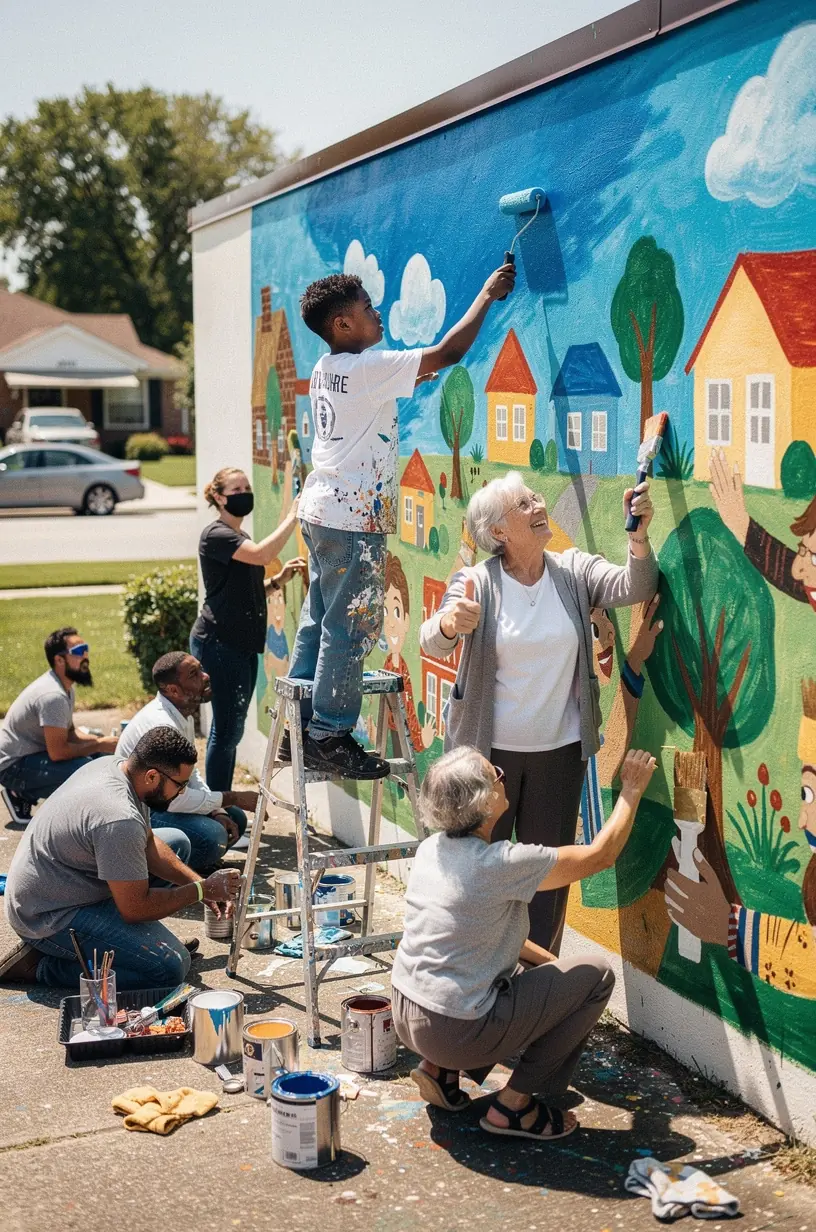
"When students learn about their local history, they not only acquire knowledge but also develop a deeper appreciation for their community and its stories."
Practical Steps for Engagement
To effectively engage youth in local history, consider the following strategies:
- Organize Community Events: Host local history fairs, workshops, or storytelling events that invite participation from youth. Studies show that hands-on experiences can lead to greater retention of information and engagement.
- Create Interactive Learning Opportunities: Utilize technology to create mobile apps or interactive websites that allow youth to explore local historical sites. Many educators report that digital platforms can significantly enhance learning experiences.
- Collaborate with Local Historians: Partner with local historians or history groups to conduct workshops or talks. This not only enriches the content but also provides youth with access to expert knowledge, making the learning experience more credible and engaging.
Utilizing Local Resources
Many communities have resources available that can aid in engaging youth with local history. Some effective approaches include:
- Local Museums and Historical Societies: Often provide educational programs tailored for young people, involving them in hands-on activities that can make history come alive.
- School Partnerships: Collaborating with local schools to incorporate local history into the curriculum can help foster a broader appreciation among students.
- Volunteer Opportunities: Encourage youth to volunteer at local historical sites, as this not only provides valuable experience but also fosters a sense of ownership and pride in their heritage.
Setting Realistic Expectations
Engaging youth in local history requires a commitment of time and effort. Programs typically take several weeks to develop and may require ongoing interaction to maintain interest. It’s important to acknowledge that:
- Results may vary based on the demographic and interest levels of the youth involved.
- Engagement efforts work best when they are inclusive and cater to diverse interests, allowing for personal connections to local history.
- Some activities may not resonate with all youth, so flexibility in approach is essential.
Conclusion
Engaging youth in local history is a rewarding endeavor that can cultivate a greater sense of community and identity. By utilizing effective strategies and acknowledging the commitment required, communities can foster a deeper appreciation for their heritage among young people. As they learn about their local history, youth can develop critical skills and a lasting connection to their community.