The Role of Food Festivals in Community Building
Food festivals are more than just celebrations of culinary delights; they often serve as pivotal events that foster community spirit, cultural engagement, and social connections. This article delves into how these festivals contribute to building stronger communities across the United States.
Understanding the Basics of Food Festivals
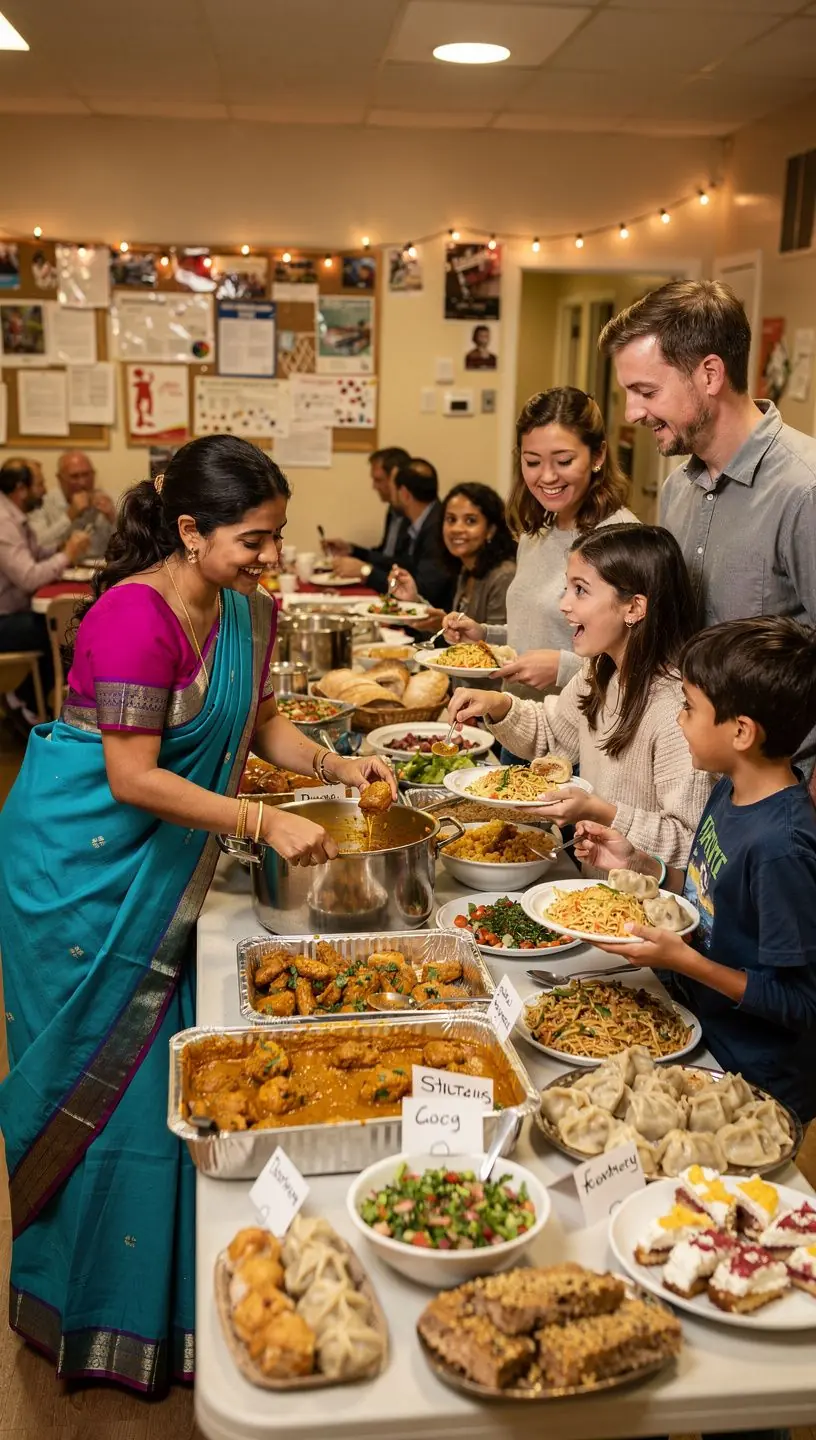
Food festivals typically showcase a variety of cuisines and culinary traditions, allowing participants to experience diverse flavors and dishes. According to research conducted by the National Restaurant Association, events that focus on food can significantly boost local economies, with many cities reporting increases in tourism and local business revenues during such festivals.
"Food festivals often act as a catalyst for community engagement, providing a platform for cultural exchange and local pride." - Community Development Expert
Benefits of Food Festivals in Community Building
Food festivals can help build community for several reasons:
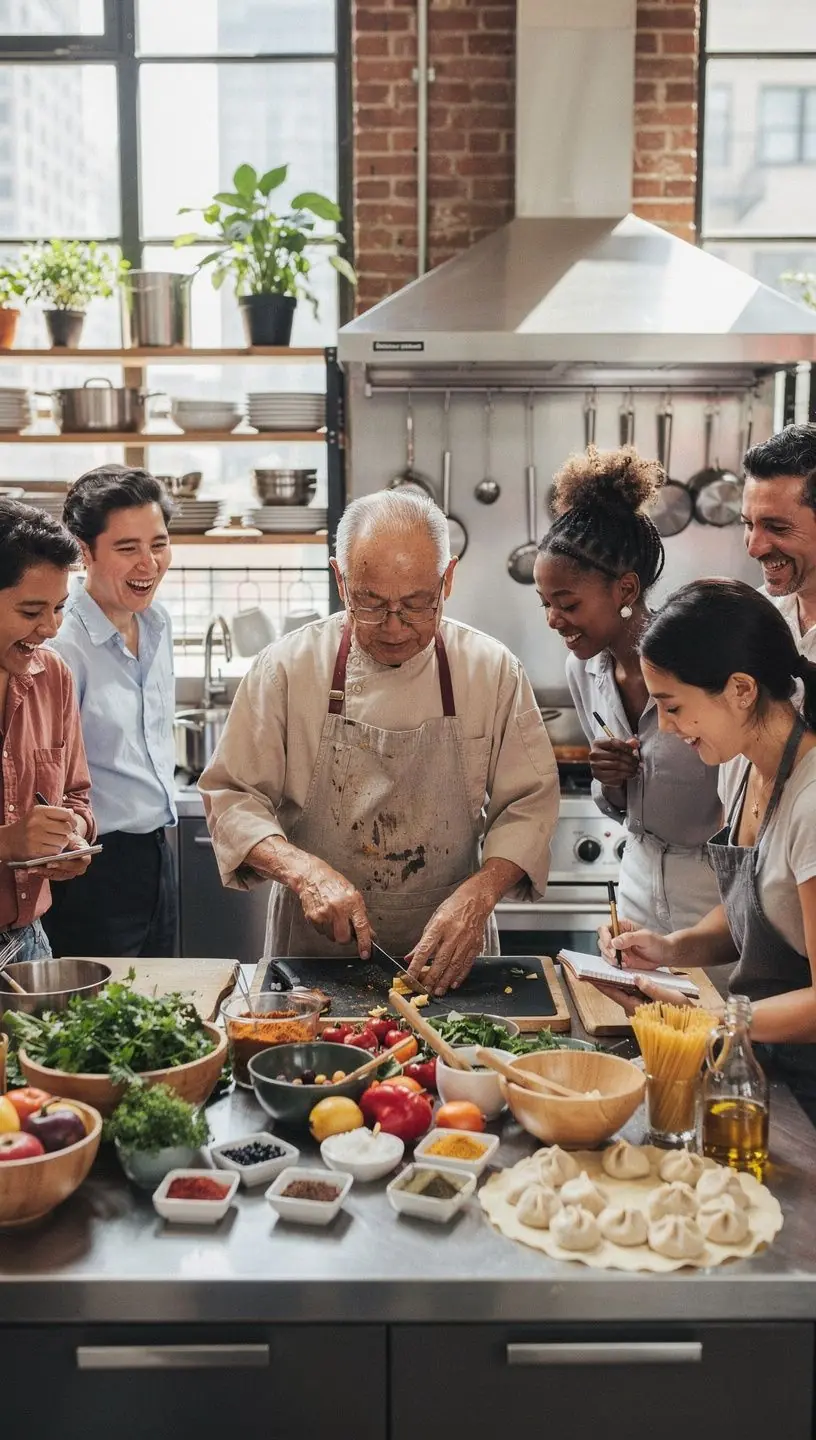
- Cultural Exchange: These festivals often highlight the culinary traditions of various cultures, promoting understanding and appreciation among diverse community members. Many attendees report feeling more connected to their neighbors after participating in such events.
- Economic Boost: Studies show that food festivals can increase local business sales by 20-30% during the event, often encouraging attendees to return to the area for future dining experiences.
- Social Connections: Attending food festivals creates opportunities for residents to meet and interact, fostering a sense of belonging and community spirit. Many participants express that these gatherings help them forge new friendships and strengthen existing relationships.
How to Maximize the Impact of Food Festivals
While food festivals have the potential to greatly enhance community engagement, their effectiveness often depends on careful planning and execution. Here are some key considerations:
- Inclusivity: Ensuring that the festival is accessible and welcoming to all community members can enhance participation. This approach works best when organizers actively seek to include underrepresented groups.
- Local Involvement: Collaborating with local businesses, artists, and community groups can help create a festival that reflects the unique culture of the area. Many experts recommend involving local stakeholders in the planning process to align the festival’s goals with community interests.
- Feedback Mechanisms: Gathering feedback from attendees can provide insights into what worked well and what could be improved for future events. This practice not only helps organizers refine their strategies but also makes participants feel valued and heard.
Conclusion
Food festivals serve as important venues for cultural engagement and community building in the United States. While their benefits are considerable, effective execution is key to maximizing their impact. By fostering inclusivity, encouraging local involvement, and maintaining open lines of communication, these culinary celebrations can continue to enrich communities for years to come. Overall, food festivals not only satisfy our taste buds but also enhance our sense of belonging and community cohesion.