The Importance of Volunteerism in Cultural Events
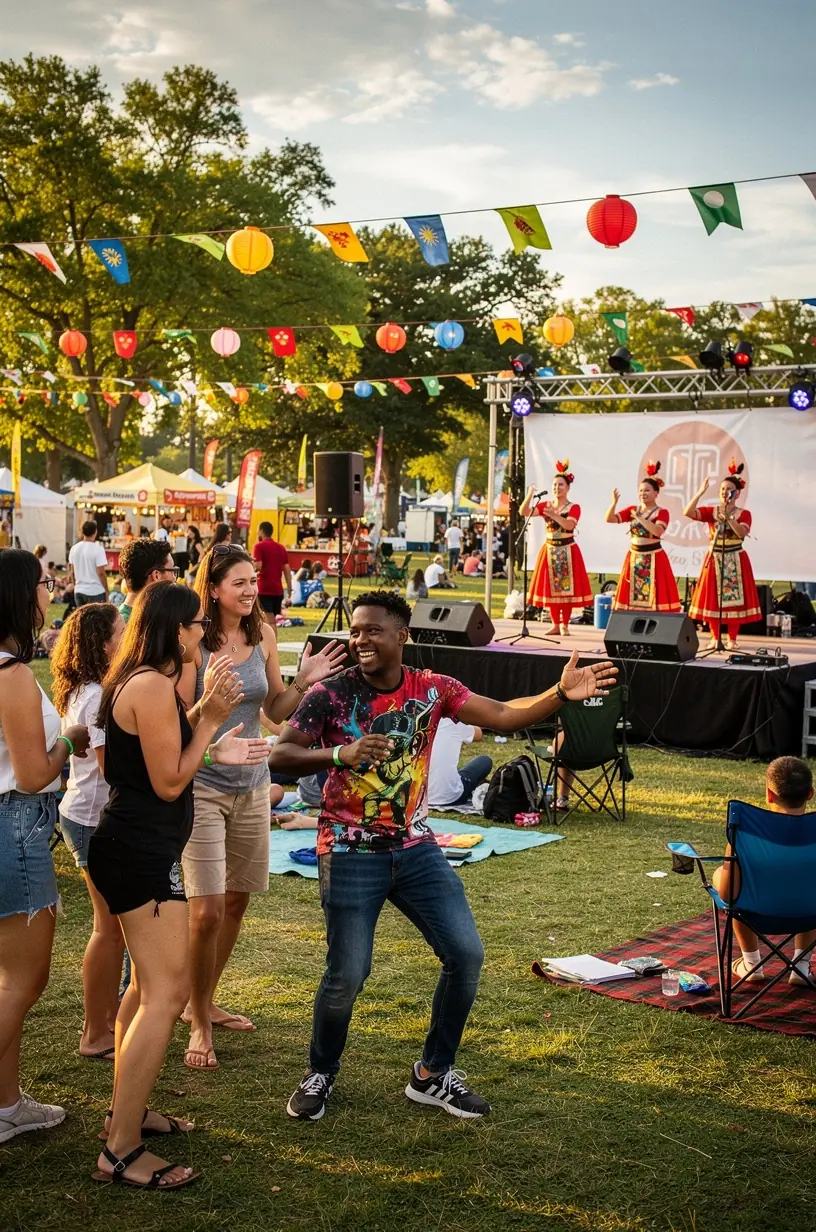
Volunteerism plays a crucial role in the success of cultural events across the United States. It fosters community engagement, enhances cultural appreciation, and helps to create lasting memories. This article will explore the significance of volunteerism in cultural events and how it benefits both individuals and communities.
Understanding the Role of Volunteers
Volunteers are often the backbone of cultural events, providing essential support in various capacities. According to a study by the Corporation for National and Community Service, approximately 30% of adults in the U.S. engage in volunteer work, with many contributing their time to cultural events. This engagement is vital as it not only helps to execute events smoothly but also enriches the cultural experience for attendees.
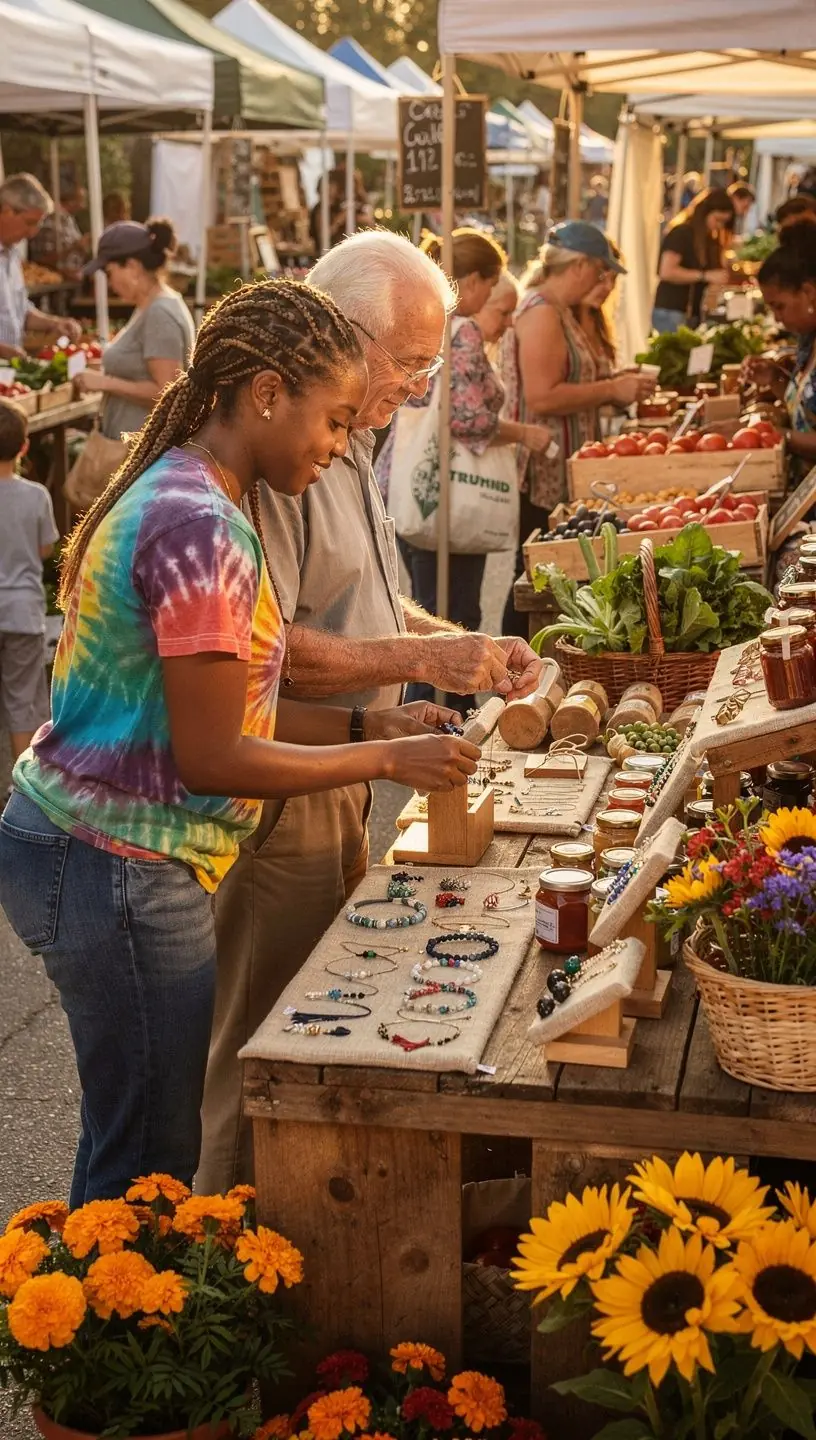
"Volunteering not only supports community events but also enhances individual well-being and social connections." - National Volunteerism Study
Benefits of Volunteerism
Participation in volunteer opportunities at cultural events offers a range of benefits, which can include:
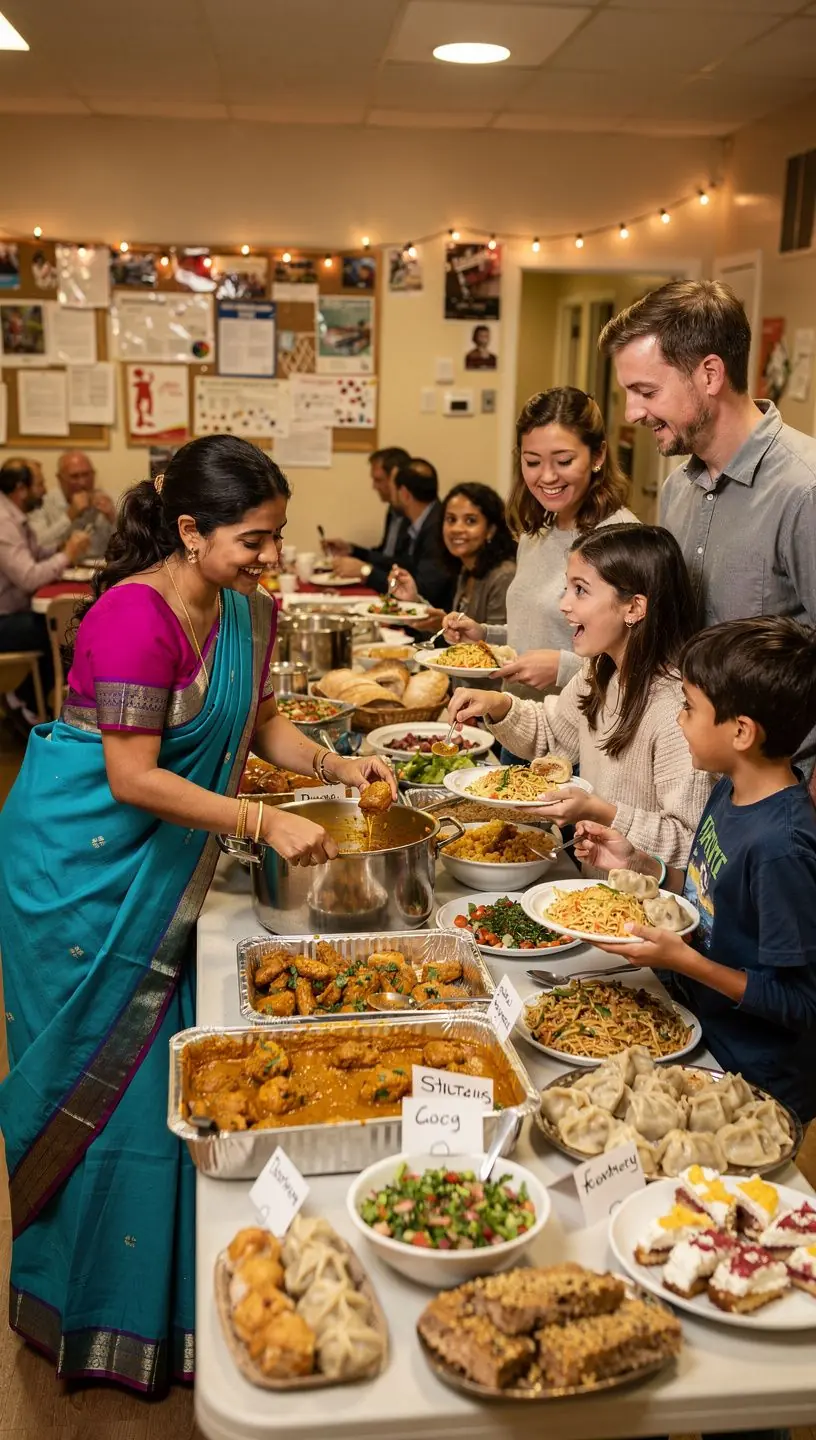
- Cultural Exchange: Volunteers often have the chance to interact with diverse groups, promoting cultural understanding and appreciation.
- Skill Development: Engaging in volunteer work can help individuals develop new skills, such as event management, communication, and teamwork, which are often transferable to professional settings.
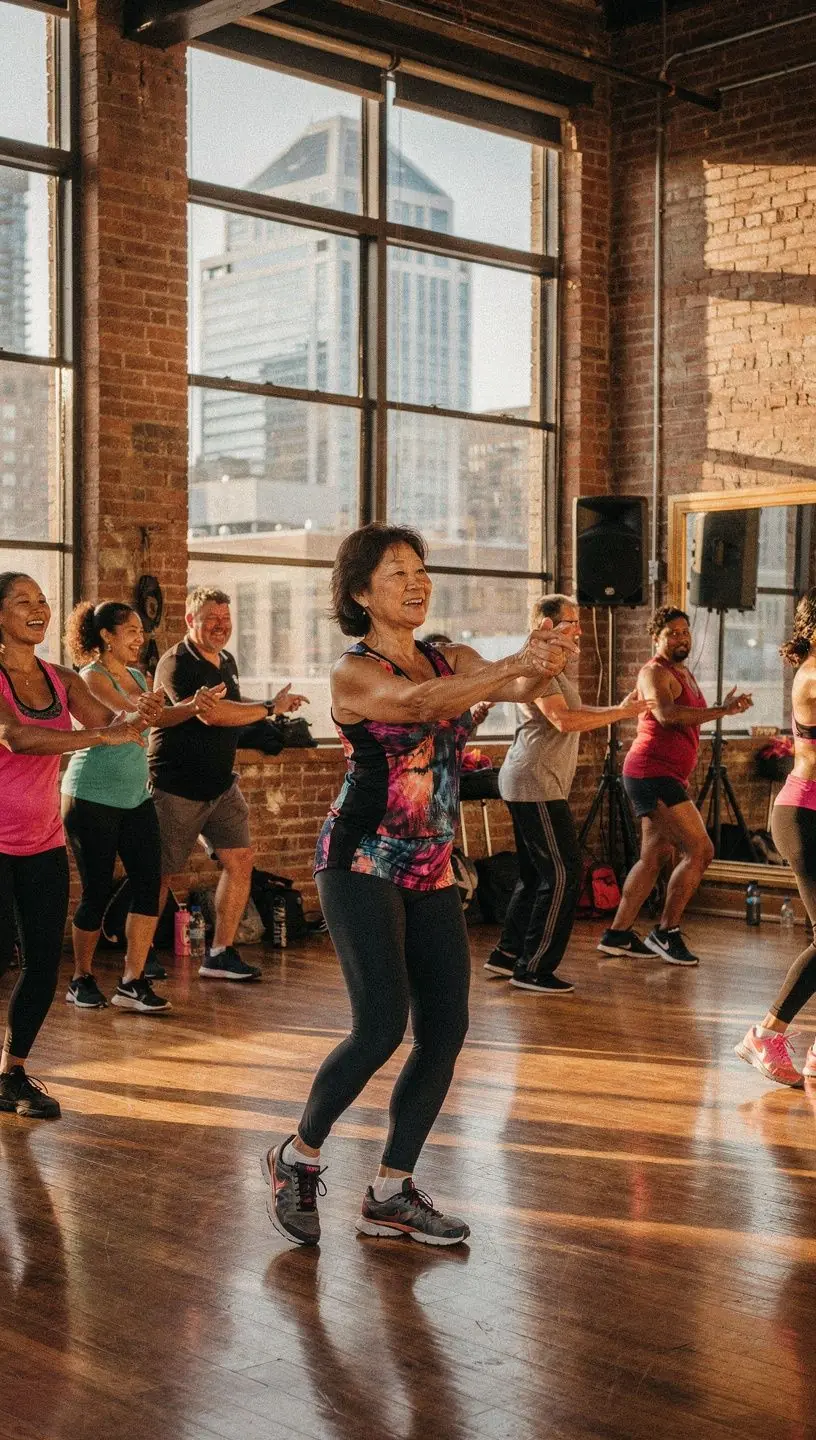
- Community Building: Volunteers help foster a sense of community, as they work together towards a common goal, strengthening social ties and camaraderie.
The Impact of Volunteerism on Events
Cultural events typically benefit from the enthusiasm and dedication of volunteers. Research indicates that events with a strong volunteer presence tend to have higher attendance and participant satisfaction. This is because:
- Volunteers often provide personalized attention to attendees, enhancing the overall experience.
- They can offer insights and stories about the cultural significance of the event, enriching the audience's understanding.
- Events that are well-staffed with volunteers are often perceived as more organized and enjoyable, leading to positive word-of-mouth recommendations.
Getting Involved: How to Become a Volunteer
For those interested in becoming volunteers at cultural events, the process is typically straightforward. Here are the steps to consider:
- Research Opportunities: Many cultural organizations and festivals post volunteer opportunities on their websites or community boards.
- Commitment: Be prepared to dedicate your time. Most volunteer roles require a commitment ranging from a few hours to several days, depending on the event.
- Training Sessions: Many organizations offer training sessions to prepare volunteers, which helps them understand their roles and responsibilities.
Conclusion
Volunteerism is an integral part of cultural events, enhancing the experience for both volunteers and attendees. By participating in these opportunities, individuals contribute to the cultural fabric of their communities while gaining valuable skills and connections. As research indicates, the positive impact of volunteers extends beyond the events themselves, fostering a sense of belonging and community engagement. If you are considering volunteering, keep in mind the time commitment and effort involved, but know that your contribution can truly make a difference.